Holley
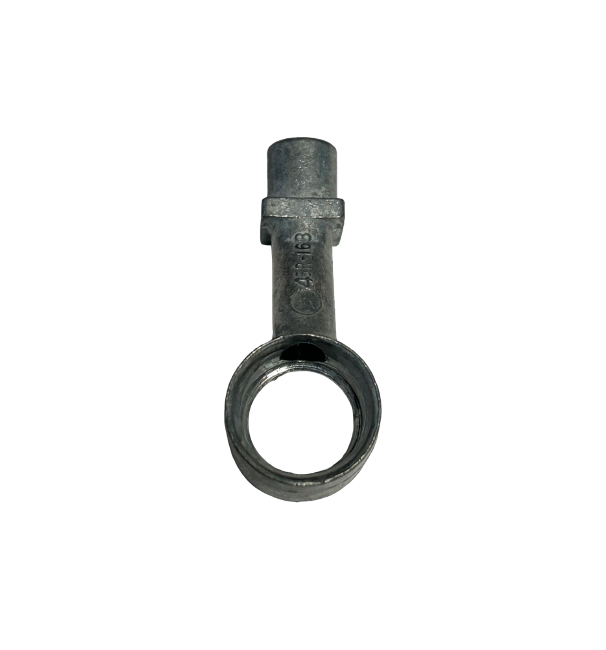
Holley Step Down Leg Booster Sizes .160 .170 .180
Holley Step Down Leg Booster Sizes .160 .170 .180
AVAILABILITY: IN STOCK
ORDER NOW, SHIPS: LOADING...
SKU: PART NO. HP53SD-39
Couldn't load pickup availability
Holley Step Down Leg Booster Sizes .160 .170 .180
Holley downleg step boosters are performance carburettor venturi boosters featuring a stepped or profiled underside. They improve high-RPM airflow and signal strength in large-cfm carburettors (typically 830 CFM or bigger), helping fuel atomization for racing applications
Key Features
Design: Machined with a step cut on the bottom side to manipulate the pressure drop (signal) and maximize air flow. Orifice Sizes: Frequently found in sizes like 0.160", 0.170", or 0.180" depending on the fuel delivery needs. Application: Ideal for high-performance and large-bore Holley 4150-style carburettors or custom billet main bodies. Installation: Considered an advanced component requiring specialist tools or professional carburettor builder setup to replace safely in the main bodyHolley Step Down Leg Booster requires specific tooling to properly and securely install it. If you do not have the required installation tooling we can provide a fitting service
Holley Step downleg boosters (also known as drop-leg or dogleg boosters) are venturi booster configurations designed to project the fuel discharge nozzle down into the main airflow path. They offer a stronger low-end and mid-range signal than straight-leg boosters, providing superior throttle response for high-performance street and race applications
How Step Downleg Boosters Work
Airflow Signal: They sit inside the carburettor venturi ring, leveraging air velocity to draw fuel out of the main well.Placement: The nozzle bends downward ("downleg"), positioning the fuel exit point deeper in the throat for efficient atomization.
Comparison: They provide a stronger signal than basic straight-leg boosters, but a weaker signal than multi-hole annular boosters.
Performance and Applications
Street/Strip Balance: Commonly found on performance models like Holley 4150 and HP-series carburettors.Orifice Sizing: Available in varying inner diameters (such as .160", .170", or .180") to tune air speed and signal strength for different engine displacements.
Tuning Adjustments: Transitioning from straight-leg to downleg designs alters the booster signal, which may require re-calibrating idle circuits, air bleeds, or main jets.
Share